Saturday, October 11, 2014

Some stray thought points on Haider-- Vishal Bhardwaj's film adaptation of Shakespeare's Hamlet:


1. Haider takes procrastination out of Hamlet! Bhardwaj's Hamlet is all action! Hamlet's inability to act is positioned in the trajectory of his desire which vanishes due to a lack of mourning and gets revived when another mourning takes due course capturing him at its centre. It would be interesting to speculate if this dominance of action over contemplation is governed by Bhardwaj's more explicit politicization of the Shakespeare protagonist. Hamlet studied philosophy, Haider studies revolutionary poets in British India.
2. The theme of mourning is deepened with a Gertrude (Ghazaala/Tabu) who has more agency than ever. Haider mourns her as much as he mourns his father! Hamlet does not have his Horatio here which is a statement on the void of friendship in the world portrayed in the film. Having said that, it gives a fascinating twist to the subject of mourning in Shakespeare's play. In Shakespeare, Horatio is the surviving subject who would be in perpetual mourning in the imagined after-life of the play while in the film, Haider himself becomes that (in)terminal subject of mourning who survives in spite of himself. The subject in mourning shifts from Other to the self. The rest isn't silence in Bhardwaj! There is no rest for silence!
3. The dead father of Shakespeare's play remains 'disappeared' throughout the first half which has serious consequences for the procrastination motif. Hamlet starts the search in thin air but eventually succeeds in finding his father's grave. In the first half, he isn't in mourning; his quest is directed towards a 'localization' of the father which succeeds ironically in the grave. 'To be or not to be' extends into 'is it (true) or is it not (true)?' and Haider's quest for truth amid the persistent haze of Kashmir.
4. The Hamlet-Laertes relationship is reduced to rivalry while it was much more complex in Shakespeare. Laertes was in a sense Hamlet's idealized alter-ego--a lot of what he wanted to become. And hence it was a great fight in the play, unlike in Bhardwaj's film.
5. Ophelia as Haider's 'Arshee'/mirror is a weak link in the film. For me, that strand wasn't moving enough. The nunnery scene was omitted but beautifully supplemented by an appearance of betrayal. Although the scene where she is lying on her bed with the scattered threads of wool all around her glowing with the poignancy of a lost grip on reality was appealing, not having her float on the water was a missed opportunity. There was a great chance to connect the iconic image of Ophelia's floating body with the mythological presence of the 'jhelum'--- the river of Kashmir with all its cathartic water. The ice in the latter half of the film perhaps stood for a frozen demise of that redemptive possibility.
6. Haider is more of a Hamlet adaptation set in Kashmir than a political film on Kashmir. The statement on Kashmir is essentially humanist; in explicit empathy for the suffering of the civilian population and in implicit sympathy for their right to protest and militancy. Having said that, I think the portrayal of Kashmir and the border-line irony of nationalistic jingoism in the film cannot be wrenched from its status as an adaptation of Hamlet.
It probably lacks intensity as a film on Kashmir but not as a Shakespeare adaptation. However, the portrayal of Kashmir which is carefully controlled and works through thesis and antithesis is subversive without being outright revolutionary. It's not politically correct but it isn't full on either! The climax comes as a stopper at the cusp where Hamlet's journey threatens to grow out of the familial scene and move into the larger political domain but the film cleverly arrests the transition at the point where it was about to turn!
7. There is no Yorick as such but his skull is intact! To make militants of gravediggers is consistent with the way the film consistently implied the connection between terrorist militancy and death drive. And this added layers to the graveyard as the climactic setting! The graveyard which was doubled through the climax with mutilated corpses etched across the bloody surface of ice reminded me of a Jacobean revenge tragedy! It's viscerally spectacular; almost an Artaud on Shakespeare!
8. Though the climax was more Seneca than Shakespeare in a sense, I think, to withdraw the revenge was a political message partly driven by the fact that the film is set in Kashmir. Is it an adaptive modification of Shakespeare or more of a comment on Kashmir? What arrests and fixes his desire in the final run is the desire of his mother which reiterates the patrilineal family heritage. This echoing is a touch problematic from a gender perspective perhaps.
My interest as a Lacanian reader is focused on how Haider's final decision to retract and go beyond revenge is framed in entirety by the words of his significant dead Others (his father and his mother echoing his grandfather). It is a combination of his mother's and (grand) father's desire articulated in their voices ringing in Haider's mind but interestingly, it doesn't lead him to action as action but instead to action as withdrawal of action. Haider's final withdrawal is perhaps the obverse of Hamlet's procrastination!
9. I thought it was quite a master-stroke to parody Salman khan and his Brand Bollywood through Rosencrantz and Guildenstern...it was a much needed comic relief in a broodingly dark film.
10. The Oedipal subtext of Hamlet was maintained as a subtext and not overplayed thankfully! From a post-Lacanian perspective, the desire of the mother is more functional than the desire for the mother. And Haider stands in testimony to that. His final trail through blood and ice re-turned to his trail as a 'third' separating his mother from his father in the bed--an earlier scene in the film. Just as we need to think through the relation between the two burnt houses and Ophelia's corpse in the latter, there are these two trails to consider as well.
11. Lasting images, powerful music and great performances to close this list...nothing that I can say by way of analysis about Tabu's performance. To remember what Hamm said in Beckett's Endgame, she is like the vein which never stops dripping in the head! She is the divided border of explosions!
Without taking anything away from Shahid's natural performance, it's Tabu's film! The heap of her destroyed body is the splintered motherland of Kashmir where Haider keeps his final vigil of mourning!


Tuesday, August 5, 2014

Translation of Kabir Suman's Song Lyric of 'Noyontara'

Evening descends
And I wake up to the stars in the sky
And there she is, somewhere, elsewhere
Wanting to see in my eye's moving stars
Her deep blue eyes as the true evening star

Evening descends
And all those who turn to their dim dappled homes
Darling peace, descend, on their dipping eyelids
May the true evening star usher peace in their gaze

Evening descends
In all tiredness, the delicate day wanes
For all those who droop now
There is a true evening star

Evening dissents
When will you come, say, when will you be
In my sleepless wait, the sky's all stars

Evening descends, evening dissents...

Translation of a poem by Nabarun Bhattacharya


    Through all these yet unnamed colours and words

When the clock turns counter-clockwise

No navigation

No science in this arch

Invisible on farewell's horizon

And yet so very visible on the firmament of return

Fly, oh sleepless plane, keep flying

Wednesday, May 28, 2014

An Old New Photograph


There is that photograph. An old one there. An old new one. Black and white to speak of old times. Old times in new. Times oldened by death and all. Oldened by the old and new.

I see my mother in it. She was a baby back then: a couple of years old perhaps. She is sitting pretty on the floor with a lot of panache I think; gazing straight at the camera with a gleam of wonder in her eyes. Her eyes are resolute and full of time-- time unspent, time yet to live-- time yet to die. At the back, an old poster: the shining face of the Murphy baby with the radio obscured by my mother's posture and the sad stains of time on the photograph. 

I can see a couple of legs behind the propped up poster which constitutes the scenography of this tiny little photographic drama. Someone must have held it up from the back. A patch of darkening corridor can be seen between the two legs. I wonder how my mother's expression would have altered, had she been looking at the Murphy baby's face. What would attract her more? The eye of the camera or the Murphy baby's eyes? Both alive and dead, human and non-human at the same time. Will time tell? We think it does, but it only passes; passes untelling.

I have been told that it was grandpa holding up the Murphy baby poster in the photograph. And the photograph was taken by his younger brother. The snap snapped, unsnapped and resnapped in time. The snap snapping the cord. There is this story running in the family that after this photo, my mother had got an offer to be the baby face for the Murphy ad from our city but grandma did not give permission because the original Murphy baby had died soon after the ad campaign was shot. 

This is an old story of course and it sounds older still, in narration. I have heard it long back from the man who took the photo. When he told me this, my mother had already passed away. We were talking in the solitary room of his old age home and after telling this snippet, he gave a rejoinder which got stuck in the dazzling afterglow of that evening. It is stuck in my mind too. He had said: 'We can't hold on to things in time. Everything must go.'

It's been years since. And I see there the old photograph. The old new one. It's only a copy of the original. That day in the old age home, I had photographed the photograph of my mother. There it sits pretty. My mother's photograph's photograph, twice away from me in time and she, not big enough to hold me then. The rest is locked away in time's folds and crossed out in silence. Only the photograph in photograph remains. The umbilical cord of fading sunlight, snapped long since.  


Sunday, May 4, 2014

Burning on and on all night long (Song by Kabir Suman, Translation: Arka Chattopadhyay)


*

Burning on and on all night long
Grey bluish, my star, alit
Grace a shade of her colour dearest
Bless a gleam of her light please

*

Perhaps no glowworm to warm my city
Perhaps, could bend on that blue fire, had it ever been
All that had never been, never is
What if that everything remains unattained?
Let it be!

Grace the colour of unattaining my dear
Bless the dear light, unattaining

*

Oh all too pale these days and nights
Can’t find a dear colour around me
Can’t give you anything

Nothing could I bring into colour, otherwise
Would have dipped in future’s light, not to be
This pale grey, my way I seek

Grace a shade of this, my longing
Blessing the dear light, unattaining
Grace the future’s gleam my dear

Grace the future’s gleam

Sunday, April 13, 2014

১৩ই এপ্রিল, ২০১৪

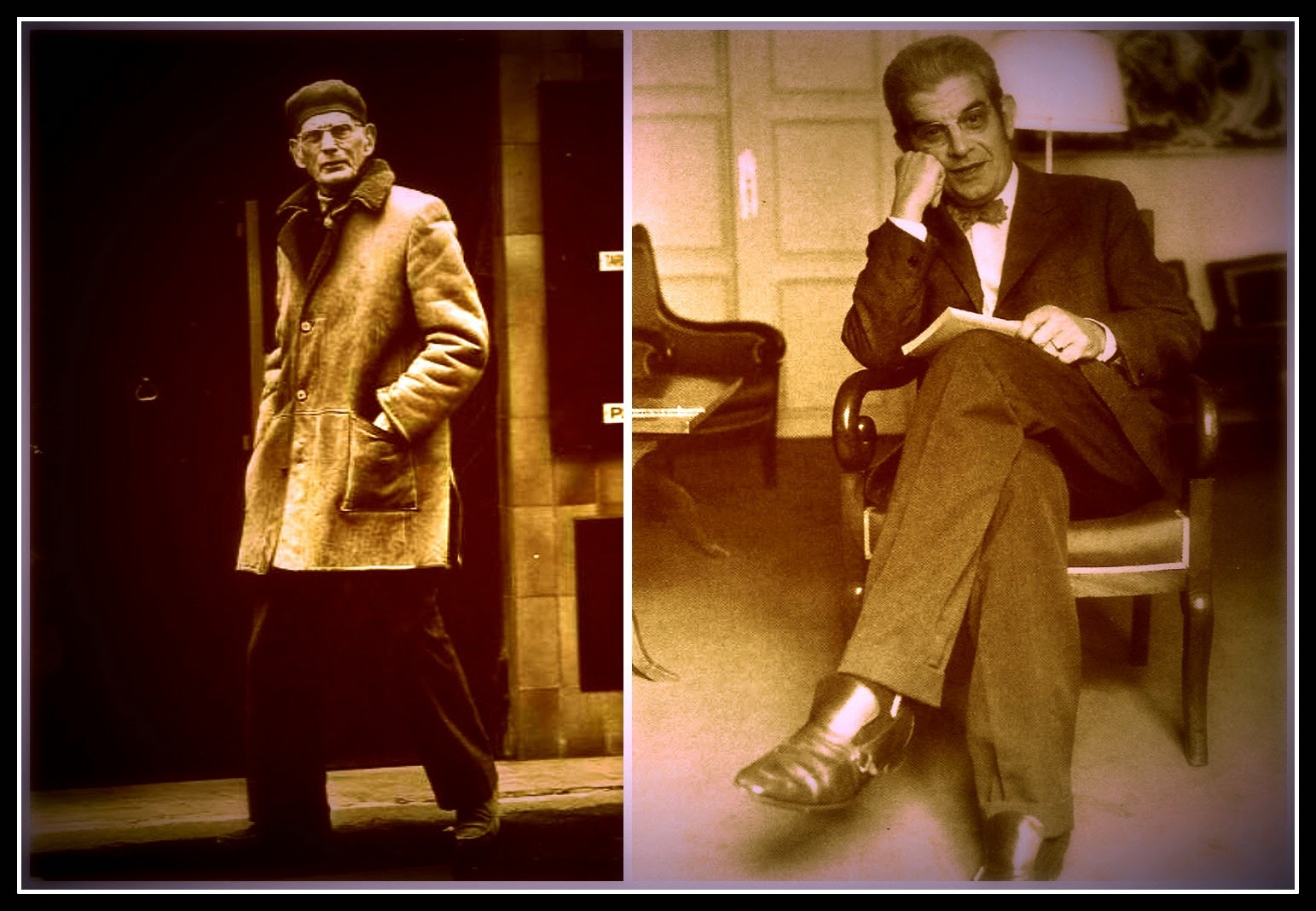
২০১৪র ১৩ই এপ্রিল এলো। স্যাম বেকেটের ১০৮ নম্বর জন্মদিন। জাক লাকার ১১৩তম। 

আমার সাথে বেকেটবাবুর বসত গড়া, সংসারানোর ১০ বছর দেখতে দেখতে কেটে গেল। বাবার বইয়ের তাকে গোডো নাম দিয়ে শুরু হওয়া ঔৎসুক্য, তখন আমি ইস্কুলে পড়ি। কিছুই বুঝিনি কিন্তু বাবা গল্পটা বলেছিল: মুক্তপ্রান্তরে দুজন মানুষের অনন্ত অপেক্ষার রূপকথা যেন। 

তারপর কলেজ। সৌরিৎ ভট্টাচার্যের প্ররোচনায় বেকেট ফেরৎ এলেন। এবং মুশায়েরার বেকেট সংখ্যায় বাবা বেকেটের শেষ ট্রিলজি নিয়ে যে লেখাটা খানিক অভিভূত হয়েই লিখে উঠতে পারেনি সেই অলিখিত না পারা থেকে প্রেসিডেন্সী কলেজের ম্যাগাজিনে আমার লিখিত না পারা: বেকেটের Worstward Ho নিয়ে একটি আলোচনা। ততদিনে ২০০৫।

তারপর ২০০৬, জন্মশতবর্ষ। কলকাতার রাস্তায় কত হন্যে হয়ে ঘুরে বেরিয়েছি বেকেটের বই বিশেষত উপন্যাস ও গদ্যাবলির খোঁজে। তখন ছিল না আমাজনের ক্রেডিট কার্ড কিম্বা ফ্লিপকার্টের সুরম্য কার্ট। তাই কলকাতায় বসে বেকেটবাজি ছিল দুরূহ এক স্ট্রাগল। তবে সেইসব হয়রানিও এখন ফিরে তাকালে মূল্যবান মাল্যবান মনে হয়। এক পরিচিতার সাহায্যে এসে পড়ল গ্রোভ সেন্টিনারী ভলিউম। আরো খানিক এগোনোর হাতছানি।

তারপর একে একে বছর ঘুরেছে। মনে আছে একদিন বন্ধুদের যৌবনের আবিলতায় উন্মত্ত হয়ে বলতাম কোথাও কেউ না নিলেও কোই বাত নেহি : সাদা খাতা আর কালো কালি থাকলে বেকেট নিয়ে কাজ করা কে আটকাবে? ত্বিষার হয়ত মনে থাকবে সেকথা। তারপর নবেন্দুর সাথে লেখালিখির মাধ্যমে বেকেটযাপন। বেকেটের জন্যেই কত বন্ধু হয়েছে। 


আমার বান্ধবী এবং বর্তমানে আমার স্ত্রী অনুপর্ণার সাথে অনুভূতিমালাও তো কখনো বেকেট থেকে দূরে থাকেনি। আমাদের প্রথম বা প্রাক-প্রথম প্রেমপত্রগুলো ছিল ওর পাঠানো বেকেটের ওপর নানা বইয়ের জেরক্স এবং তার সাথে মোড়া চিঠি আর আমি উত্তর দিয়েছি যন্ত্রচিঠিতে। এভাবেই শুরু হয়েছে সবকিছু। বেকেটের আশেপাশে।

যাদবপুরে পড়াকালীন শান্তনু বিশ্বাসের কল্যাণে জাক লাকা চর্চা শুরু। এবং শান্তনুদার মুগ্ধতায় লাকা বিগত ৫ বছরে অনেকটা কাছে। এখন আমার গবেষনার বিষয় বেকেট ও লাকা। ১০ বছরে হওয়া ২ টি প্রেমের সমন্বয় যেখানে আসলে আমি নিজেকেই পড়ছি,পড়ছি নিজের ফ্যান্টাসিকে তাঁদের ভিতর দিয়ে। আর মজার ব্যপার হলো এই দুটি মানুষের জন্মদিনটাও এক। যেন তাদের মধ্যেকার অদৃশ্য কোনো প্রেমপর্ব, অদেখা একটা আম্বিলিকাল কর্ড।

২ মাস হলো মা চলে গ্যাছে। এখন পড়ার টেবিলে বেকেট বাবুর পাশে মার সহাস্য ছবি। যেন দুজনে কত গল্প করছে, হয়ত আমার নামে নালিশ চলছে। মা হয়ত বলছে, 'এই যে দাদা আপনিই ছেলের মাথাটা খেলেন দেখলাম'। আমি ওখানে গেলে কেউই আর ছেড়ে কথা বলবে না।

বেকেট বাবুকে কখনো কখনো খুব নালিশ করেছি আমার জীবনকে ওনার লেখার বিষয়ে পরিণত করছেন বলে মনে হওয়ায়। পূর্বনির্ধারিত বিবাহের কয়েকদিন আগে মার সহসা চলে যাওয়ায় বেকেটীয় ভঙ্গিতে 'ফার্স্ট লাভ' এর নায়কের প্রথম বাক্যে বাবার জায়গায় মা শব্দটা বসিয়ে আমাকে আজীবন বলে যেতে হবে: " I associate, rightly or wrongly, my marriage with the death of my mother, in time".

এইসব উত্থান পতন নিয়েই আমার আর বেকেটবাবুর সংসারের এক্কা দোক্কা। জাক লাকা সেখানে আমাদের ট্রান্সফারেন্স দেখে মজা পান নিশ্চই। আমি বেকেট আর লাকা দিয়ে হয়ত তৈরী হয় আমার কাজকর্মের বরমিয়ান নট।

আজ আমার দুই গুরুর জন্মদিনে এই সংক্ষিপ্ত ইতিহাসটাই বলতে ইচ্ছে করলো।

Saturday, April 12, 2014

On the two volumes of Lars Von Trier's Nymphomania:


Fishing, blasphemy, the souls of the trees and music are guiding threads in Joe's analeptic narration as a nymphomaniac to the so-called 'asexual' old man all night through. It creates patches of unparalleled beauty through images of indescribable depth such as the breaking spectrum of colours at the sunset, the inexplicable entry of the first patch of sunlight against the wall, the winter trees bared to their dry souls and the one Joe stands opposite, atop the hill one winter evening amid the glimmers of afterglow.

The editing, the colour scheme, the split-screens, the digital designing of the visual and explanatory digressions and all that is material to the moving image as a medium contributes to the humour and quite a brilliant Deleuzean suggestion that the cinema is inside the head and the way the story unfolds in Joe's words is nothing short of an always already formed cinematic montage in the mind. The camera hides more than it reveals and the repeated shots only draw our attention to the tangent in question. A wonderful example is the opening shot where we cannot see Joe and the camera perambulates the mise-en-scène till it repeats itself from a different perspective and we discover her lying unconscious on the street.

Volume 1 prepares us for the second and has bouts of rather uncharacteristic surface humour considering it's a Von Trier film. In this increasingly complex journey retold by Joe, what we encounter is a mathematically precise mental function of the 'nymphomaniac' and the incredibly complicated web of encounters and relationships which frame her life, giving motion to it. The plot is contrived to the extent that chance encounters anchor it all along and we pace through the psychopathology of this condition with emphases on games, radicalism, an implied Oedipal structure, a latent homoerotic streak and a stark realisation of the inextricability of sexual impulse and violence at every point in life: be it the lubrication at father's death or the sadistic torture therapy to revive the lost sexual sensation. What is problematised in the process is the maternal role of the woman, her family life and the social operation of guilt therein.

The use of numbers, geometry and knot all add fascinating mathematical dimensions to the working of her mind under a particular condition and there are the ambivalent joint hints of epilepsy as well as a divine command as it were. The question of language in relation to sexual jouissance is tackled in the episode with the Black men but like a lot of other things in the film, it's a serious provocation to begin with and it quickly turns into a comical mockery of the issue at hand.

When Von Trier tackles this obviously 'subversive' and patriarchal stereotype of the 'nymphomaniac', one at least expects a deconstructive take from him and this is where I wonder at the end of the film. How do we peace together the strong and inconsistent fragments of this portrayal which gives the appearance and only the appearance of being an author-backed position. The confusion in her position as a 'nymphomaniac' is clear throughout: on the one hand she has no qualms with what she does but then on the other hand though forced into it, she does go to a social group of 'sex-addicts' who are trying to cure themselves through absurd restrictive practices. It is also relevant to mention in this context, her final resolution after the end of her storytelling that she would renounce sexuality altogether. She also takes a rather uncharacteristic humanist pity on a pedophile who is one of her debtors in the phase in which she is working as a 'debt-collector' and the logic she uses to justify her pity is laced with contradiction: she seems to praise the pedophile for never acting upon his instincts thus remaining harmless all his life but then what about her own nymphomania in practice? Isn't this a conservative appreciation of self-repression from someone who does not practice it either?

Joe's nymphomania takes her into the criminal circuits and circumstances bring her back to a pseudo-maternal position which ironically turns into a lesbian relation of sorts until her lost husband Jerome comes back a third time by yet another stroke of chance and takes away her accomplice, successor and lesbian partner, immersing her further into the depths of jealousy and murderous rage. The classic Von Trier trope of sadomasochism in all things amorous shines again. The way the inbuilt audience figure, Joe's 'asexual' interlocutor comes back to initiate his sex life (his literary jouissance being dominated by the sexual once and for all), taking advantage of the 'nymphomaniac' and what she does to her and the way it echoes the beginning in a poignantly reddish black out--all of this has the Von Trier signature in its exposition of the audience's complicity, the implication of hypocrisy and so on.

What Von Trier offers here is a tremendously complicated and multi-layered aesthetic object which both underpins and mocks the consistency of our endless urge to interpret. All the actors are excellent but Charlotte Gainsbourg, who is clearly one of the finest of contemporary actresses and Stellan Skarsgård dominate throughout.